
Kandrzej Archiva Fotografia is my private large-format portrait studio. I simply call it The Atelier. My name is K. Andrzej. I create large-format portraits for people who believe legacy portraiture is just as much for their family as it is for presidents, artists, celebrities, and other notable figures. Each commission begins with a sheet of large-format black and white film and ends with a professionally-framed portrait as well as the Master Negative that was used to make the print delivered to you to remain in your family for generations.
Why I WORK IN LARGE FORMAT
Everyone passes things down to their children. Sometimes it’s artwork. Other times it’s jewelry or other family heirlooms.
Few leave behind a portrait that looks like it belongs in the National Portrait Gallery. It becomes part of everyday life. Children grow up with that face on the wall. Years later, their own children do the same. It's a connection to the people who came before them.
For more than forty years I worked as a photojournalist. In that time I photographed presidents, musicians, artists, and ordinary people with a story to tell. What I learned while making their portraits went far beyond the technical aspects of photography. I learned how to build trust. How to draw out character. How to recognize the moment someone reveals a little of themselves in front of the camera.
When I was on a portrait shoot, it was important to let them understand their relationship to me and my camera. That we were working together to create something extraordinary. Worthy of a magazine cover or a feature story’s lead photo. It was my job to guide them, make them feel comfortable and create an environment where they could show themselves authentically.
Now I work with a large-format camera which is a big part of their portrait experience. Its size and the slow way it works changes the way people sit for their portrait. I've watched people change the moment I disappear beneath the dark cloth for the first time. They hold themselves a little taller. They become aware that this is not another photograph being made, and there is a sense of importance that will show in the final photograph.
I now accept a small number of portrait commissions each year. The portraits are made to become part of a family's archive and to be passed from one generation to the next.
Client Privacy
The people who commission a portrait never appear on this website. Every private commission is covered by a Non-Disclosure Agreement unless the family chooses otherwise. The photographs shown here are from my independent body of work and are shown to demonstrate the style and craftsmanship that is brought to my portrait commissions.
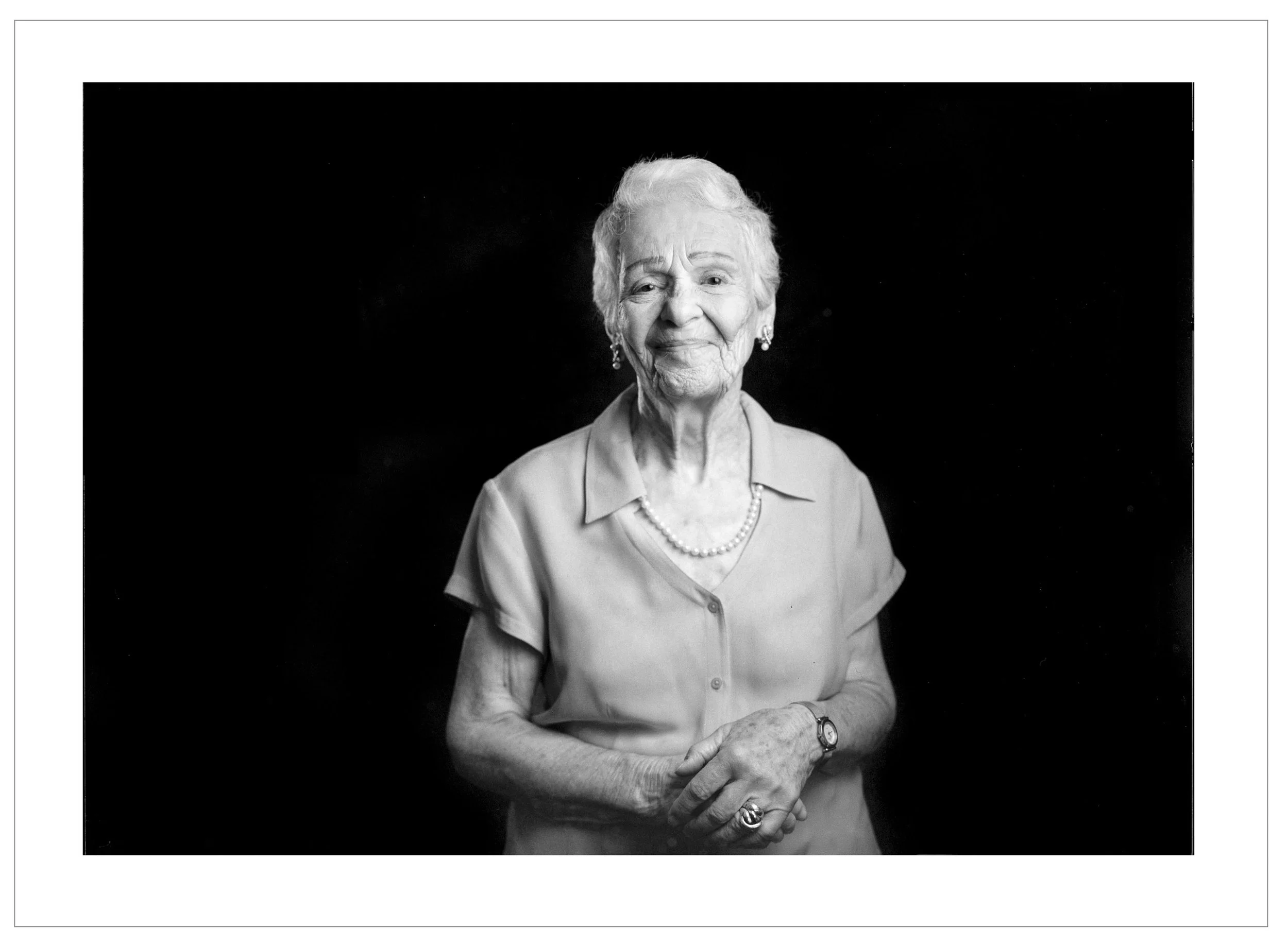
Large-format portrait created on black-and-white film and hand-printed by K. Andrzej in the darkroom.
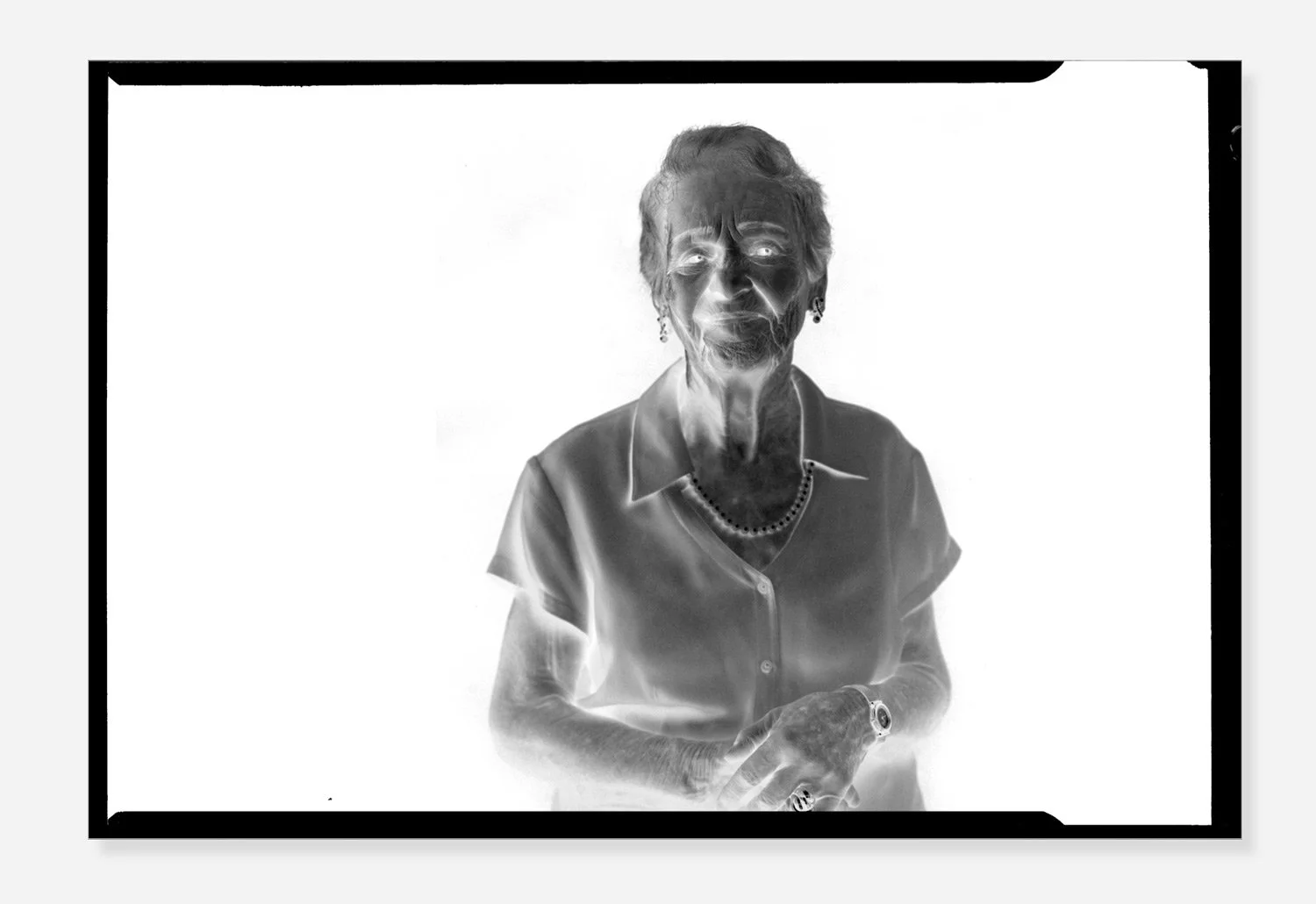
The Master Negative of a large-format portrait, preserved as the original photographic record within a family archive.
The Master Negative
It all begins with a single sheet of large-format film. We create a series of images and then one negative is chosen for your portrait which becomes the Master Negative.
Unlike most portrait commissions, where the original negative stays with the photographer, I give the Master Negative to you to place in your family's archive.
It is the original record of the portrait—the sheet of film exposed during your sitting, delivered to you to be kept with your family's most treasured possessions.
OVER a Century of Photographic Heritage
Andrzei Wajda — Poland
My great-grandfather, Andrzei Wajda, began making photographs in Poland around the turn of the twentieth century. His fascination with photography began a tradition that has continued through four generations.
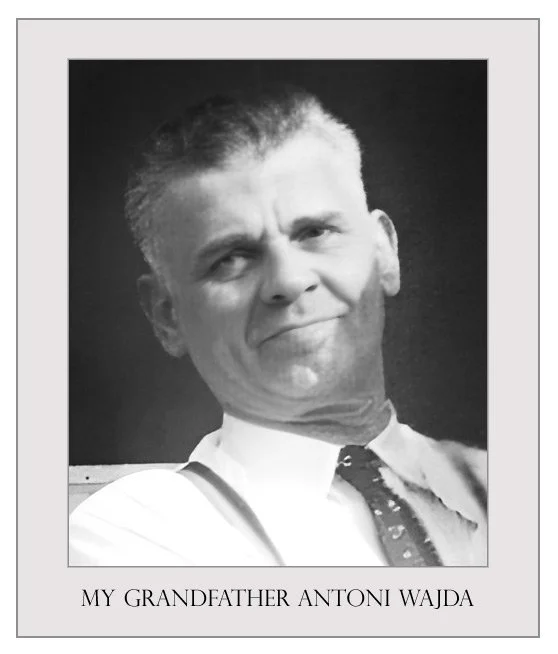
Antoni Wajda — Coming to America
In 1927, my grandfather Antoni sailed from Liverpool to New York and settled in Philadelphia. He brought the family's photographic tradition with him.
As cameras evolved from wooden view cameras to the Speed Graphic, he made photographs documenting his neighborhoods, the urban scene, and his own family life in Philadelphia.
Henry Wajda — Philadelphia
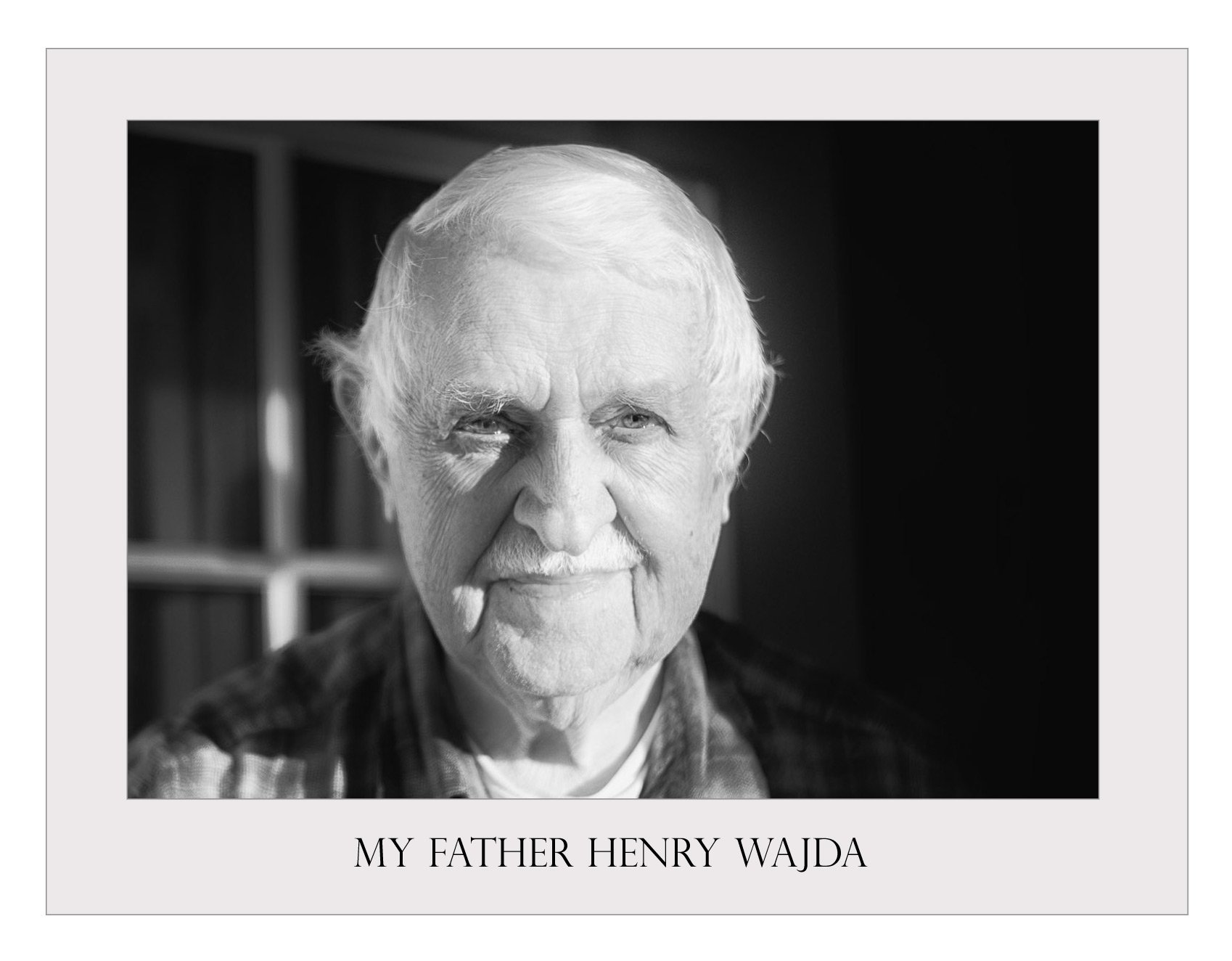
My father, Henry Wajda, continued the tradition though by the 1950s had transitioned to 35mm.
His Kodak Retina IIIc traveled with him during Army service before becoming the camera that recorded our family's everyday life—growing up in Port Richmond, weekend shopping at the Italian Market, birthdays, holidays, and his family.
Eventually that camera became mine. It was with that camera that I first learned photography.
A Cinematic CONNECTION
Our family has long told the story of a meeting between my great-grandfather and a young art student in postwar Kraków—Andrzej Wajda, who would later become one of Poland's greatest film directors. How they supposedly connected over a shared name and their love of photography.
Photography and cinema have always shared the same visual language: light and shadow recorded on film. Many of today's finest filmmakers still choose film for their most motion picture work—from award-winning cinema to acclaimed television productions.
Film is reserved for the good stuff. That’s why I use film, too.
The Name of the Atelier
Kandrzej combines my first initial K with the Polish form of my middle name Andrew.
Archiva reflects my belief that portrait photographs should last for generations as part of a family's archive.
Fotografia is the Polish word for photography to honor my family’s roots and the tradition that brought me here.
Today I work from the foothills of Boulder, Colorado, while accepting portrait commissions throughout the world.
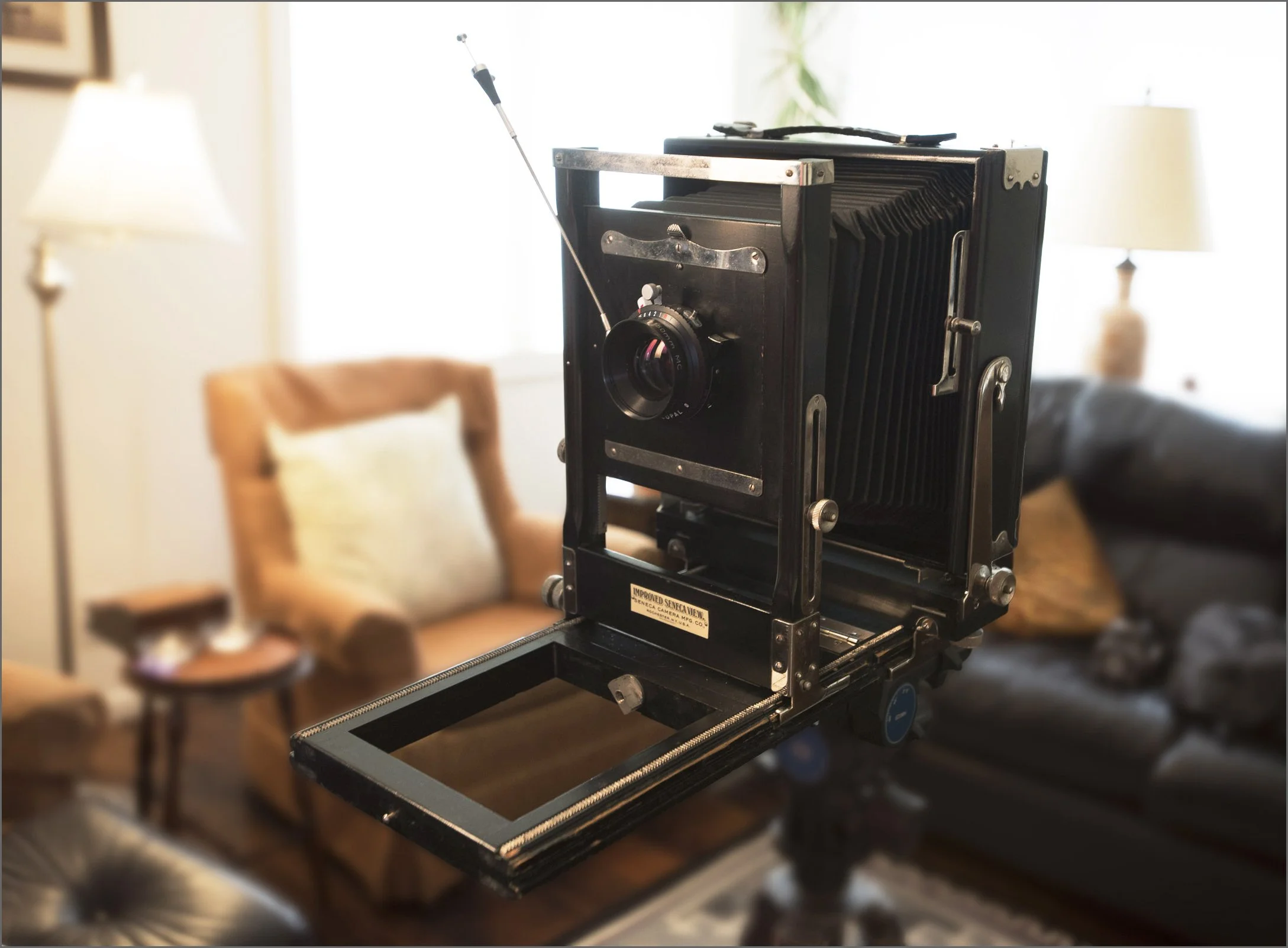
Seneca View Camera circa 1906 in use at a portrait commission by K. Andrzej.
My Artist Statement
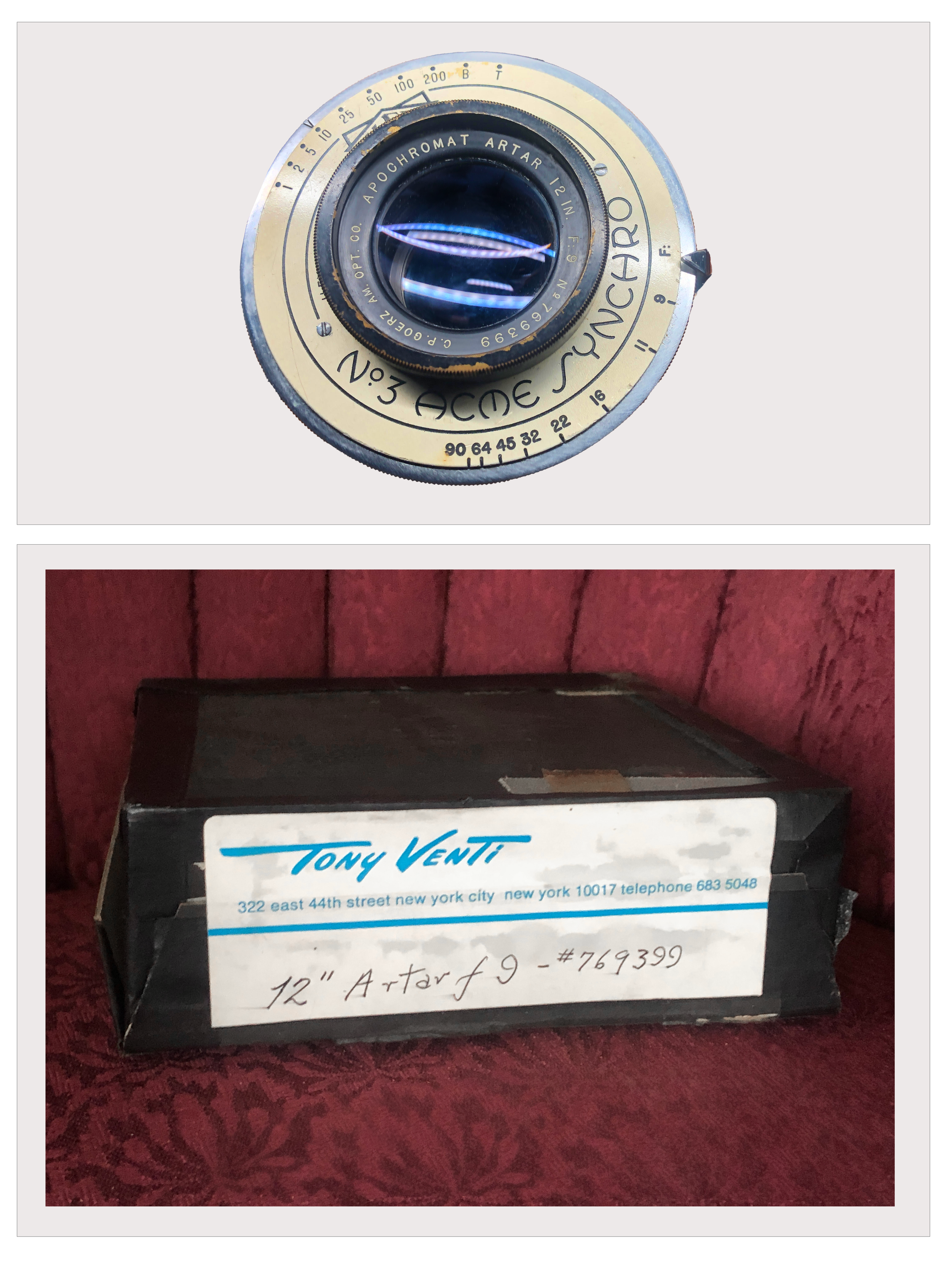
Goerz Apochromat Artar 12” F/9 portrait lens with No. 3 Acme Synchro Shutter. Acquired from the Tony Venti estate and accompanied by estate provenance attributing this lens to portrait work involving a young Marlon Brando.
Families create lasting legacies. I believe portraits deserve the same permanence.
I work slowly because the process matters. The large-format camera, the film, and the darkroom are all part of creating the fine art portrait.
Every commission begins with a conversation. That connection is as important as the camera and film.
During the portrait session I use large-format film and together we make portraits that draw out the subject’s character.
Together we choose the expression that best reflects the person in front of the camera.
Every exhibition print is made under my direction, professionally framed, and ready for installation.
The Master Negative becomes part of the family's archive.
— K. Andrzej
A Lens that Photographed Hollywood
Among the lenses I use is a Goerz Apochromat Artar 12-inch portrait lens that I purchased from the estate of New York celebrity photographer Tony Venti, whose career included photographing many of Hollywood's best-known actors and entertainers.
Estate provenance connects this lens to portrait work involving a young Marlon Brando.
Photography is never just about the camera or the lens, but it's hard not to appreciate holding a piece of photographic history in your hands. I enjoy knowing that the glass that once photographed Hollywood now photographs families whose stories are just beginning.
Private Commission Availability
I photograph only a limited number of families each year.
That allows me to give every commission the time it deserves—from the sitting to the darkroom, from framing to installation.
From our first conversation to the final installation, each commission unfolds over roughly eighty to one hundred hours of work.
Private commissions begin at $17,500.
The Commission
Every commission is built around one finished portrait, created for the place where it will live—a family home, estate, library, or private collection.
During the sitting usually I typically expose eight to ten individual negatives. Each one is different. Sometimes the smallest change in expression makes the portrait.
The photograph you finally choose isn't chosen at that time but rather later, after the negatives have been developed and we can look at and discuss them together.
The final choice becomes the Master Negative.
From the Master Negative, I create the exhibition portrait by hand in my darkroom. When a larger presentation is desired, additional editions are produced using archival methods that preserve the character and detail of the original photograph.
Before the Master Negative is transferred into your family archive, additional prints may be made for children, other residences, or future generations.
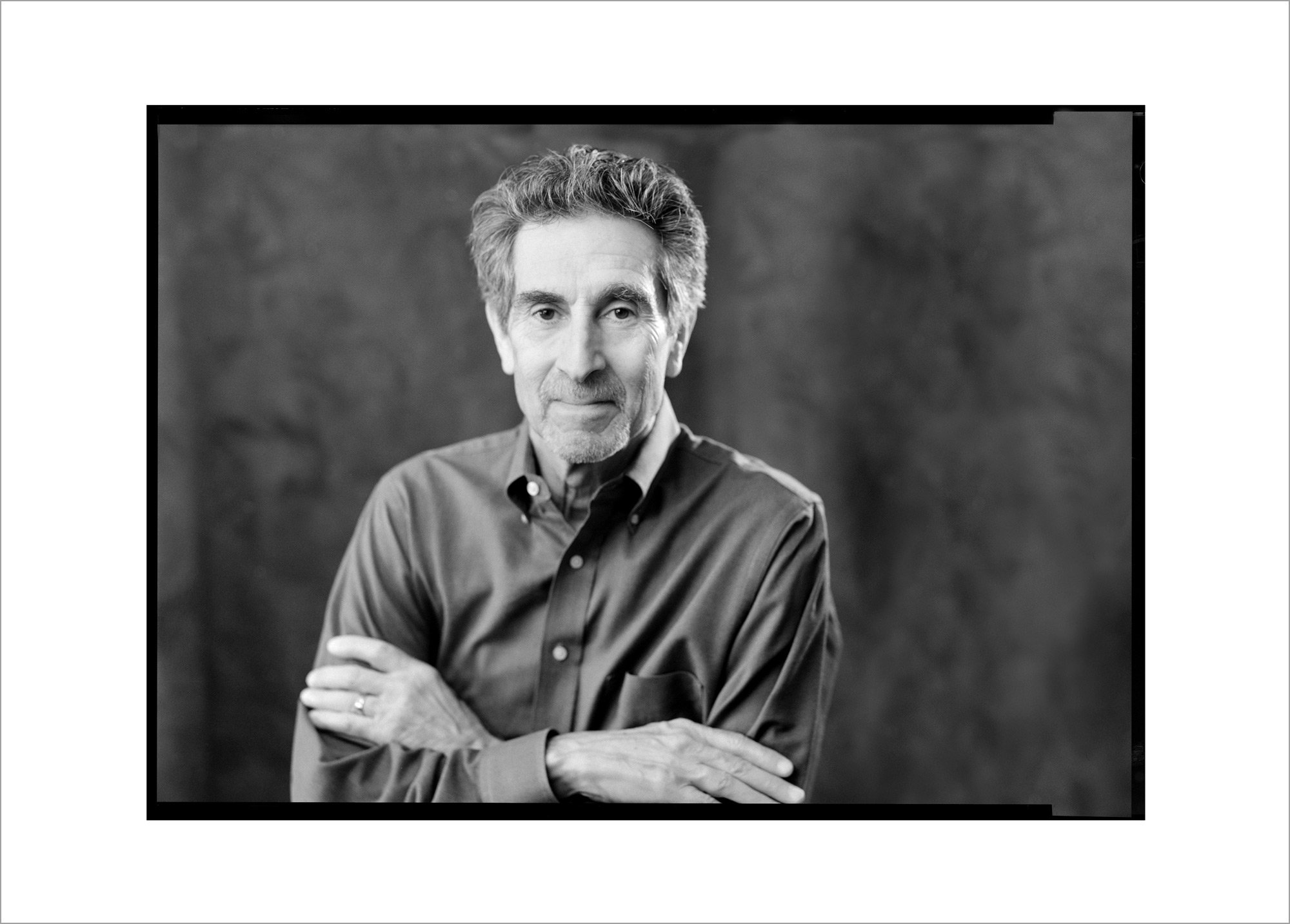
Large-format portrait study made on black-and-white gelatin silver film and hand-printed in the darkroom by K. Andrzej.
The Fine Art Portrait Commission Process
I — Consultation
We begin with a conversation.
I want to understand the family, the person being photographed, the space where the portrait will live, and the story it is meant to preserve.
II — Design
Every portrait is designed for the place where it will become part of the home.
We consider architecture, light, wardrobe, scale, and placement before the camera is ever unpacked.
III — The Sitting
I photograph in homes, estates, outdoor locations, and selected locations throughout the world.
Large-format photography takes time. Each exposure requires preparation. Nothing is rushed.
IV — The Darkroom
The negatives are developed in my darkroom.
Afterward, we review them together. Families often notice something I do not. I often see something they may have overlooked.
The final portrait is chosen through that conversation—balancing emotional connection, composition, expression, and the qualities that allow a photograph to endure.
The exhibition print is then hand-printed in silver gelatin in my darkroom.
Custom framing is created using the finest hand-crafted woods from a local frame maker, selected to complement the portrait and the space where it will live.
V — Installation
The finished portrait is professionally installed in the home.
Whenever possible, I personally deliver and direct the installation of the completed work.
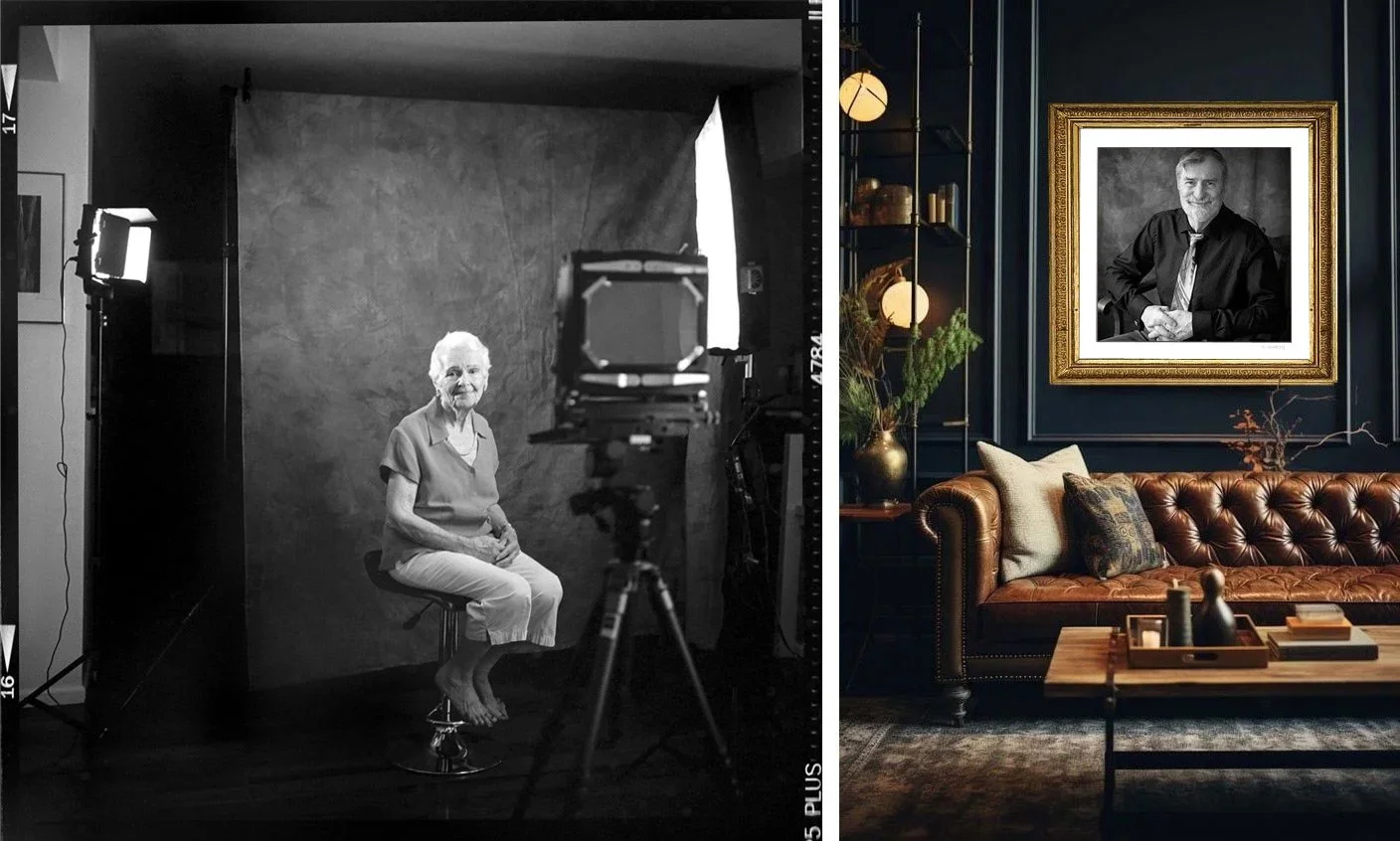
A large-format studio setup and a portrait commission custom-framed and displayed in a client’s home.
The Atelier Registry
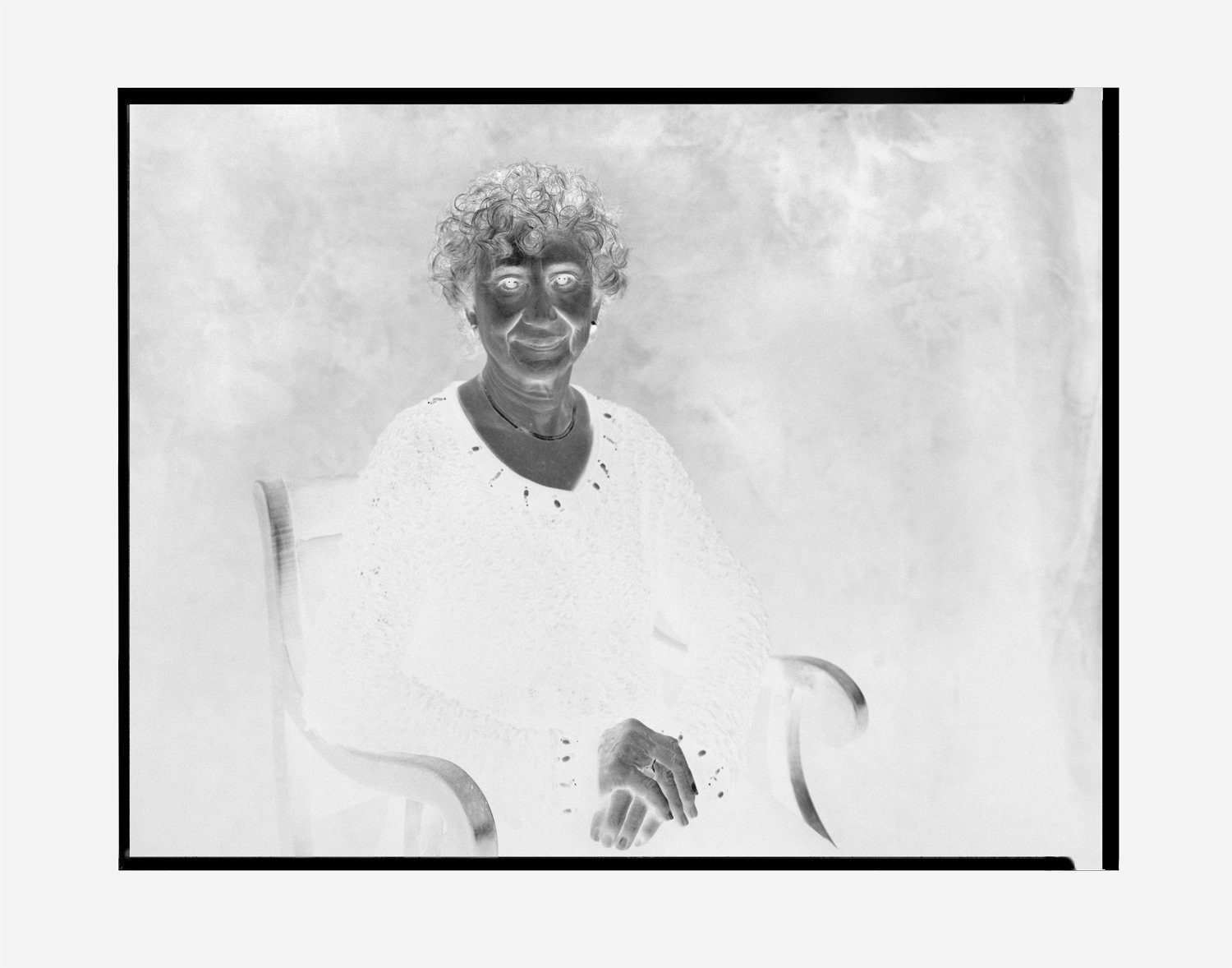
Large-format film Master Negative entrusted to your family archive.
Each commission receives the time it deserves—from the sitting to the darkroom, from framing to installation.
Availability is discussed privately.
Protocol of Discretion
Privacy and discretion are fundamental to the studio practice. The families I photograph trust me with something deeply personal.
Names, homes, family histories, and finished portraits remain confidential unless permission is given to share them.
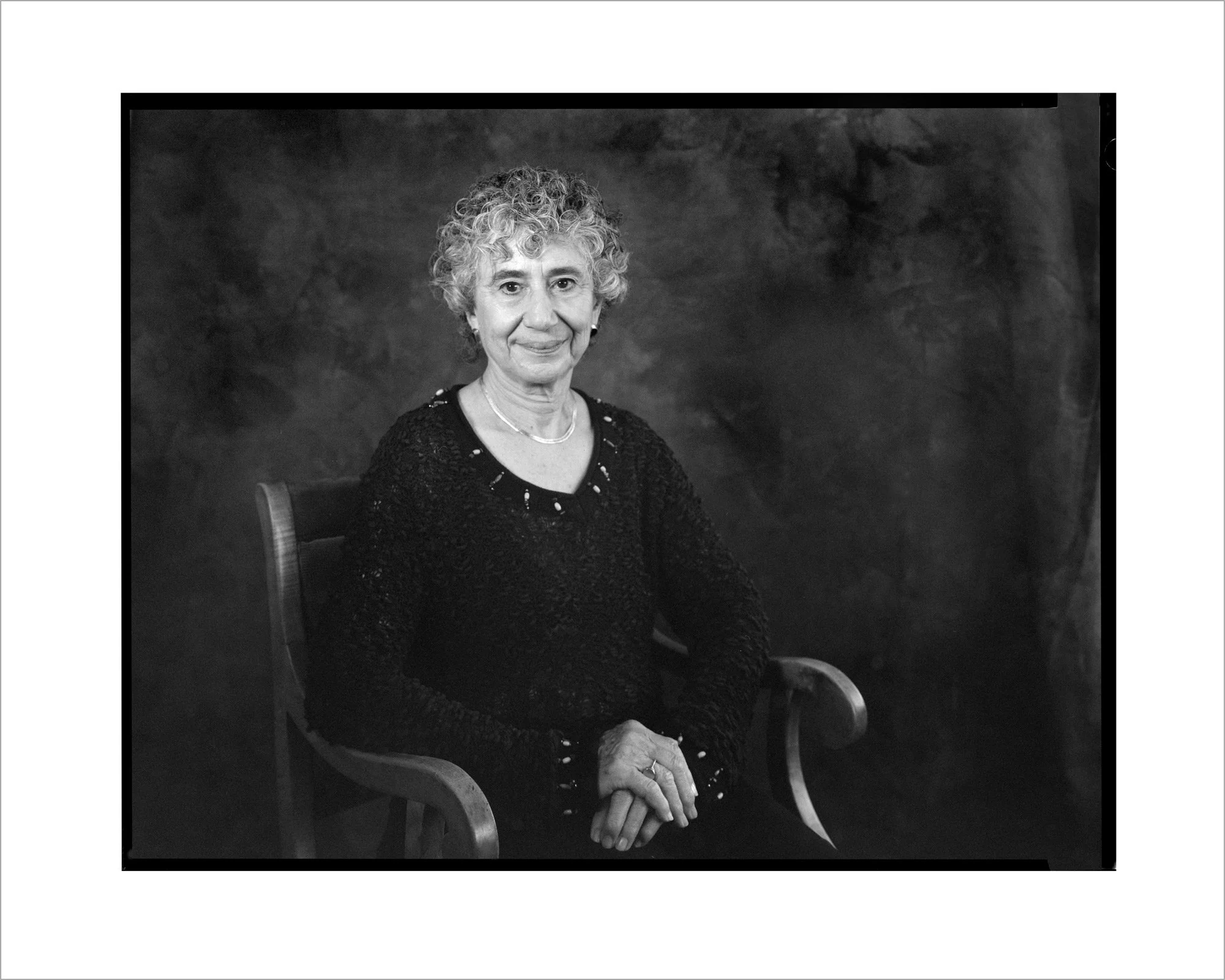
Large-format portrait made on black and white gelatin silver film and hand-printed in a darkroom by K. Andrzej.
Private Commission Inquiry
If you're considering a portrait commission for your family, I'd be happy to begin with a conversation.